CELEBRATING WORLD ENVIRONMENT DAY 2025 IN MATHARE SLUM – A CALL TO ACTION

JUNE CADIS NEWSLETTER ON WED 2025 – ( CLICK TO VIEW PDF NEWSLETTER )

World environment Day is observed annually on June 5th, with an aim of creating awareness and promoting sustainable practices. This year, the host country for the World Environment Day was Korea and the theme was “Putting an End to Plastic Pollution” with a hashtag “#Beat Plastic Pollution” . In Kenya, the World Environmental day celebrations were held in Tharaka University. However, the celebration was also held in different Counties and Sub-Counties, Administrative Wards and in different sectors.

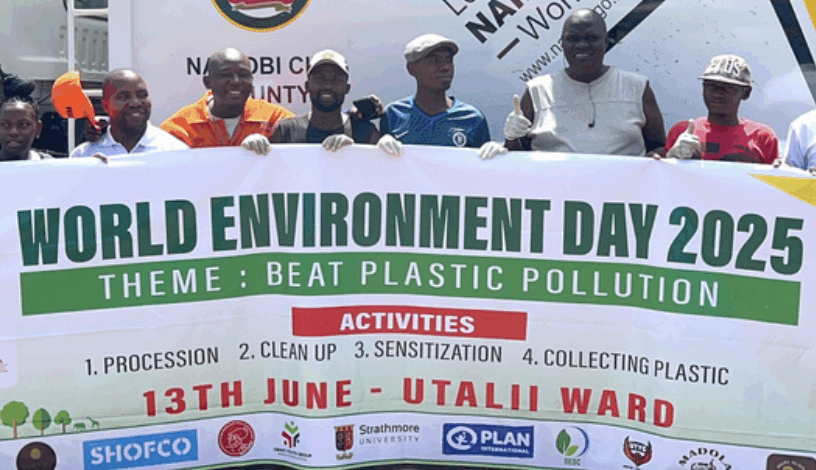
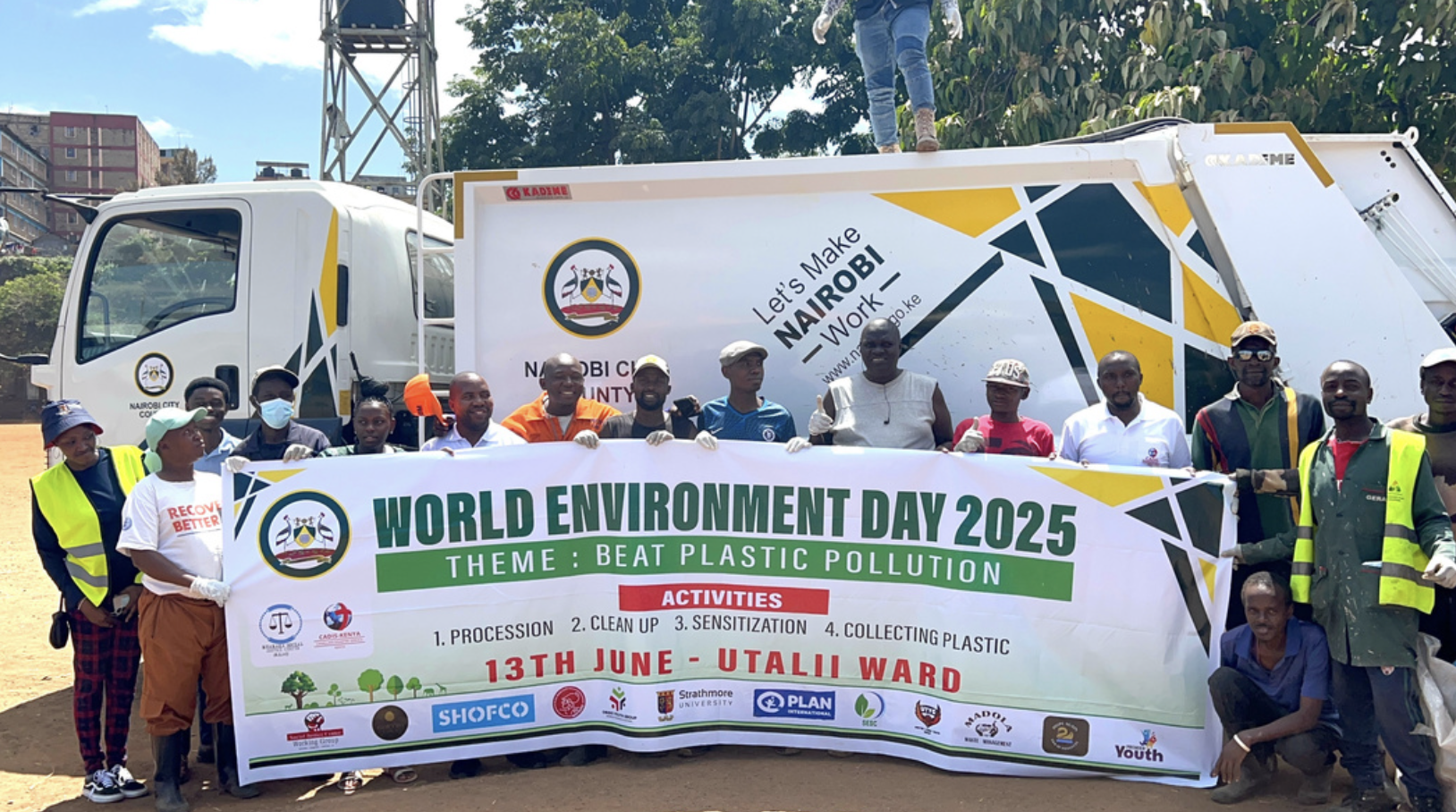
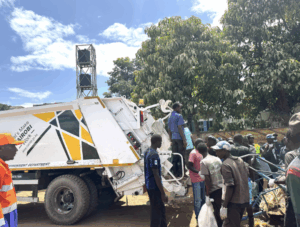
In Utalii Ward, Ruaraka Sub-County, actors from different sectors came together to celebrate this important day. Among them was CADIS Kenya, County government, National government, Strathmore University, Local Community Based Organizations (CBOs), Youth Groups and the residents of Utalii location and Mathare. Inspired by the Global theme, we matched along the streets of Mathare slum sensitizing people on the need to tackle the escalating environmental crisis mainly caused by plastic waste

HASHTAG: BEAT PLASTIC POLLUTION

We spread this message through a peaceful demonstration holding a banner with a clear message and the hashtag #Beat the Plastic Pollution. We then delved into actions by collecting plastics around the river, ditches and along the roads. The aim was to inspire eco-friendly habits of collecting waste and raising awareness about plastic pollution.

CADIS KENYA RECOMMEDATIONS

We recommend minimizing single use plastic consumption like always carrying re-usable shopping bags, opting for re-usable water bottle and refilling it instead of buying bottled water, avoiding using plastic straws, and disposal coffee cups and instead carrying re-usable cups. We also recommend participating in community clean-up efforts and change of attitude and habits on throwing plastics everywhere.

READ MORE
CADIS KENYA RELIEF PROGRAMS

EMERGENCY RESPONSE AND EARLY RECOVERY ASSISTANCE TO FLOOD AFFECTED POPULATION IN KENYA


Background:

In the beginning of the year 2024, the country experienced heavy rains starting in March, 2024, which led to a devastating flood. It resulted in approximately 66,000 households affected, 39,000 households displaced, and at least 238 casualties. The flooding affected people in 42 of the country’s 47 counties and submerged 41,063 acres of farmland, with over 9,800 livestock reported dead. 101 schools were directly affected by the rains as well as over 37 health facilities. 

In Nairobi, the Kenyan capital, two slum areas were heavily impacted: Mathare and Mukuru, home to around 500,000 and 700,000 people respectively. All-in-all, around 1000 families became homeless and more than 2000 were inhabitable.

In the overpopulated settlement of Mathare, situated along the banks of the Mathare River, the floodwaters swept away hundreds of makeshifts and even concrete homes built along the riverbed. In the flash flooding, 8 lives were lost and others went missing after being swept away by the raging waters. According to the area chief, during the first two weeks after the flooding, 250 people were housed in five schools in the area and 300 people who are staying in an unfinished market building, plus additional people being temporarily housed by relatives and friends.

Moreover, another disaster loomed with the government announcing that all houses within 30 meters of the riverbed in both slum areas will be forcibly torn down and residents will need to find other housing. This was escalating the already bad situation, since the evicted residents had to find more expensive rental housing and many lacked the ability to pay for the required amount having lost their livelihoods.

Northwest of Nairobi, the area near Lake Baringo was severely affected by flooding with over 3000 hectares (over 7000 acres) near the lake inundated and crops destroyed as well as large numbers of sheep killed.

Intervention:

The project “Emergency Response and Early Recovery Assistance for Flood-affected Population in Kenya” initiated and implemented by CADIS Kenya, with the supervision of CADIS International and in collaboration with the Buddhist Tzu Chi Charity Foundation (BTCCF), was executed and all the activities successfully completed.

The project targeted a total of 900 HSH beneficiaries from the most affected areas of Nairobi [Mathare (200) and Mukuru (200) slums] and Baringo [Eldume (200), Ng’ambo (120) and Salabani (180) locations]. The project duration was 3 months but extended until October 30, 2024. The total project budget was €238,969.55 EUR. The overall goal of the project was to alleviate suffering, protect health, and restore dignity for flood-affected populations in Nairobi and Baringo counties. It had four essential component services and assistance, namely:

[1] food and non-food relief distribution,

[2] permanent shelter support,

[3] medical and psychosocial support, and

[4] early recovery and resilience building support (livelihood).

The full implementation of the programs started in July 2024. The latter half June was dedicated to the preparation and organization of the activities such as recruitment of volunteers, purchasing of goods, repacking and transporting of goods to strategic places. The implementation of the programs was extended to the month of October.

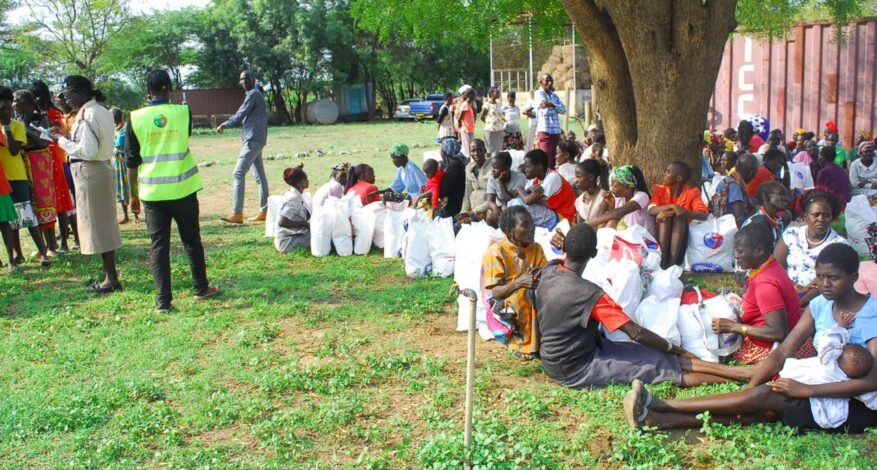
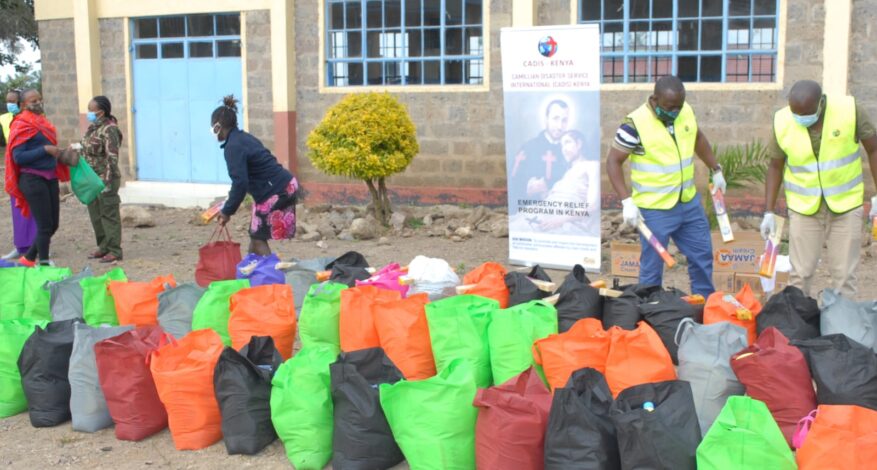
At the end of the project, a total of 900 families received the food packs containing 10 kilos of rice, 10 kilos of beans, 4 kilos of maize flour, 2 kilos of sugar, and 3 liters of cooking oil. Each pack was good enough for a month of family consumption; 900 families received non-food items (NFI); 600 families received two sets of school uniforms and supplies each; 200 families received cash transfer of 20.000 KHS for a three-month house rental and 50 new houses were constructed; 1,593 individuals received healthcare services; and 200 farmers received agricultural support and farm inputs to restart farming, their main source of income

IN SUMMARY:

For the entire duration of the project from July to October 2024, the following activities were achieved – food security, shelter, health and livelihood.

Food Security: A total of 900 families (4404 individuals) from Mathare, Mukuru, Salabani, Ng’ambo and Eldume received the food pack containing basic food supplies good for one month.
Educational support: A total of 600 families (3325 individuals) from Mathare, Salabani, Ng’ambo and Eldume received two sets of school uniforms and supplies.
Non-food items: A total of 900 families (3373 individuals) from Mathare, Mukuru, Salabani, Ng’ambo and Eldume received the non-food items including the dignity packs enough for one month supply. Healthcare services:
A total of 1576 services offered to over 200 individuals including children.
Shelter provision: A total of 200 families (818 individuals) from Mathare received a mobile cash transfer to support for the 3 months house rental.
House construction: A total` of 50 families (255 individuals) from Salabani, Ng’amboand Eldume received a new permanent shelter.
Livelihood and agricultural support: A total of 300 families (1737 individuals) from Eldume and Salabani received agricultural support inputs. Moreover, 20 youth farmer leaders received training on agricultural skills and management. They were selected from the 200 famers who formed four farm groups.
READ MORE
CADIS KENYA RELIEF PROGRAMS

Building Community Resilience and Sustainability: Enhancing Food Security through Climate Smart Agriculture in Baringo County

Camillian Disaster Service – Kenya has of late been at the forefront on carrying out humanitarian assistance in an bid to help ensure that communities that are likely to be hit by climate conditions and poverty are supported. One prominent initiative is a food security project in Baringo County Kenya. The Project is titled “Building Community Resilience and Sustainability: Enhancing Food Security through Climate Smart Agriculture in Baringo County” This project was initiated in 2021 and is funded by CADIS Taiwan.

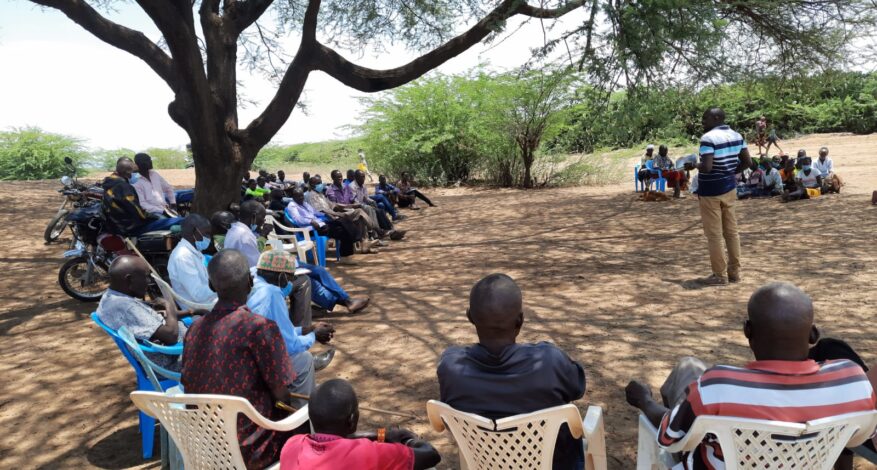
This project seeks to solve a permanent problem of hunger and lack of water through transferring knowledge and expertise in climate resilience agriculture. CADIS Kenya’s objective is to supplement the sustainable water supply by drilling boreholes as well as enhancing the storage of water to enhance crop yield and thus the income of the households. Some of the activities include sensitization of the communities, focus group discussions and launching of farm inputs and agriculture with extension services.

Baringo County covers an area of approximately 11,015.3 km2 of which approx. 50% (5299 km2) is classified as low potential (County Department of Agriculture, 2018). It is one of the 23 arid and semi-arid (ASAL) counties in Kenya. It has six (6) sub-counties namely Baringo North, Baringo Central, Baringo South, Mogotio, Eldama ravine and Tiaty. It has a total population of about 754,014 people with a male to female ratio of 1:1. It is among the marginalized counties with a poverty incidence of 52.2% against 42.2% nationally and contributes 1.7% to the national poverty (Baringo County Integrated Development Plan 2018-2022). The main livelihood activities are subsistence agriculture and pastoralism. Due to climate change, the area is food insecure and many people records low incomes.

The project has three main objectives:

1. To improve food production through supporting 100 farmers in Baringo South Sub-County for 3 years

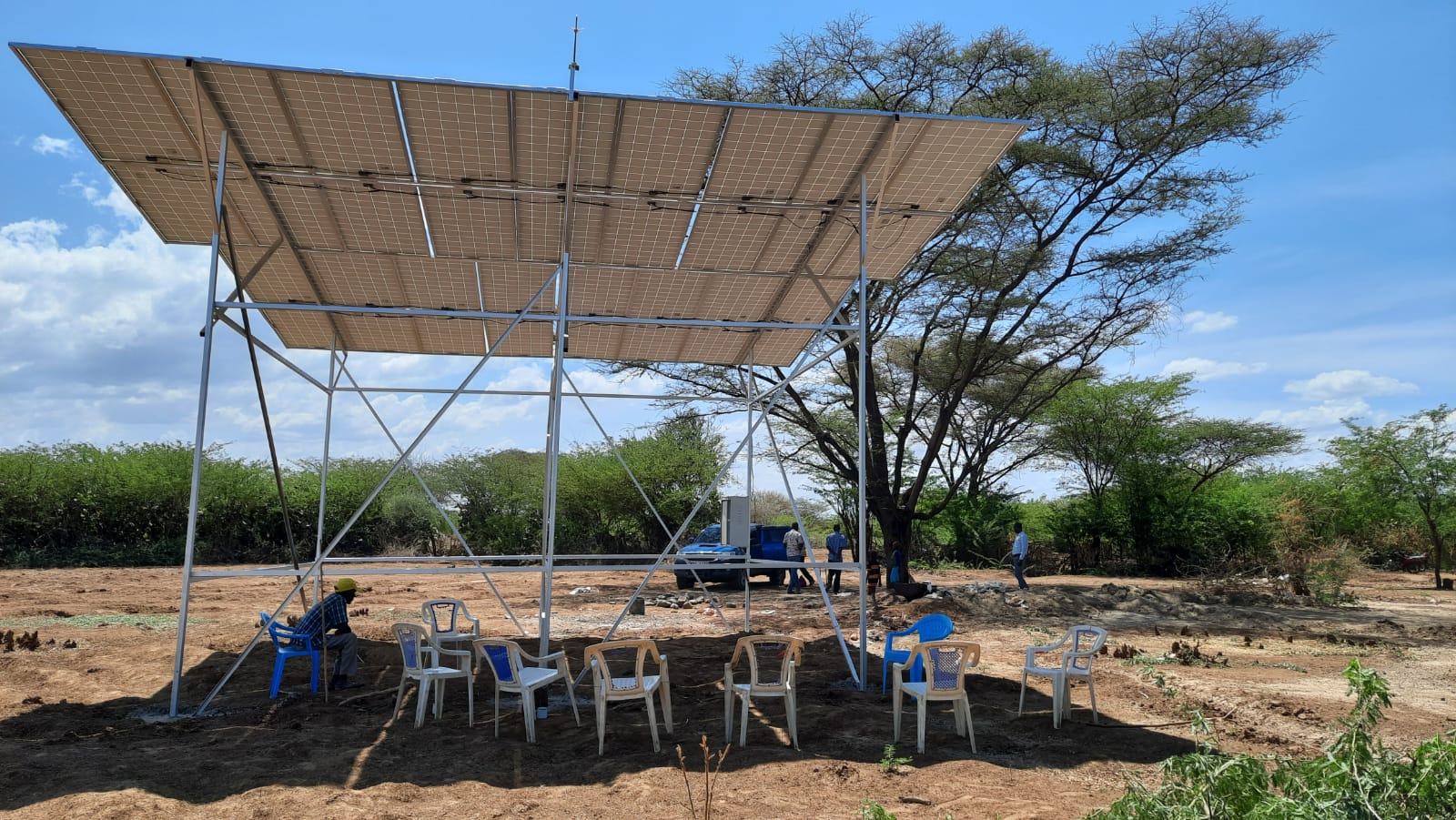
2. To improve accessibility of water supply for irrigation through solar powered energy

3. To build capacity of 100 farmers through trainings, seminars and on farm demonstrations

The project Outcome are:

1. Increased income and availability of food in the market: The project desired to see a 40% increase in availability of food in the market.

2. Reduced rate of malnutrition and hunger: The project expects the rate of malnutrition and hunger in target area to reduce with at least 20%

3. Affordable prices of food in the market: The project expected a fair price of commodities equivalent to the surrounding areas.

4. Increased awareness and knowledge on farming skills and techniques: Farmers will have increased awareness and knowledge on various farming techniques.

The community of Salabani Location organized themselves to form a Community Based Organization called Salabani Farmer’s CBO. The CBO has a full structure with constitution and leaders. The total members are 110, from 7 villages around. Each village 15 people. The representation consists of Men, Women and the youth.

CADIS Kenya provided supply of water through drilling one borehole for irrigation and domestic use, provided farm inputs and agricultural skills for farmers who utilized the skills for their benefits and benefits of the society. We acknowledge the support by our donors and people of goodwill who ensures that the vulnerable communities are supported.

READ MORE
CADIS KENYA RELIEF PROGRAMS

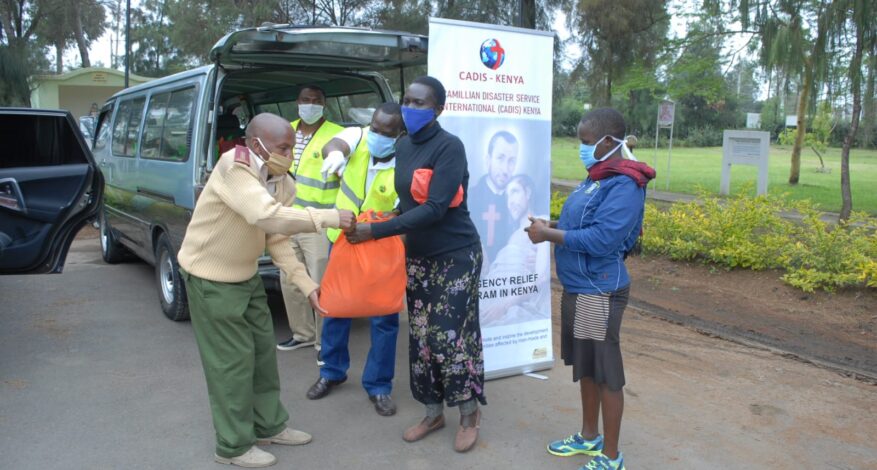
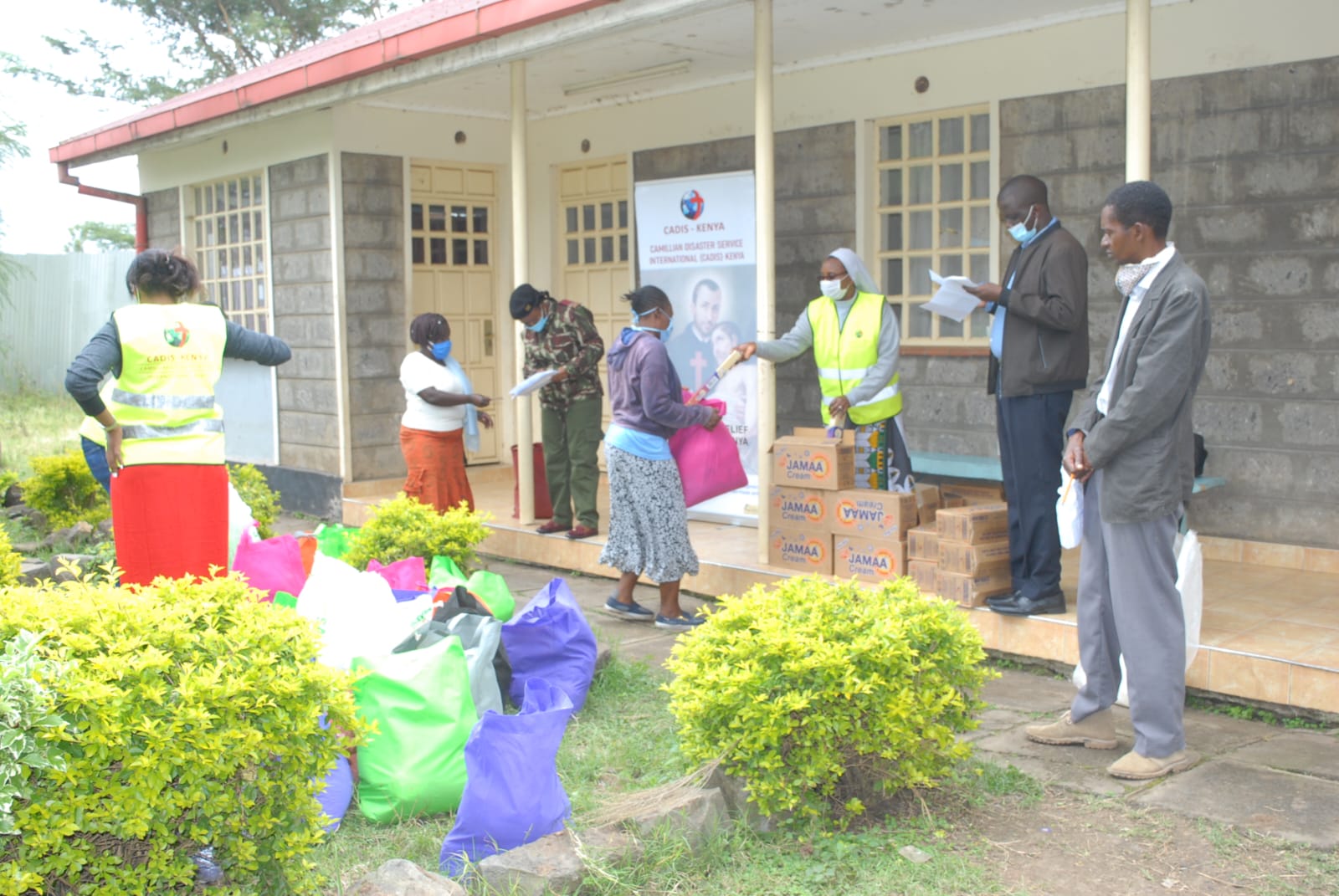
CADIS – KENYA EMERGENCY RELIEF PROGRAM IN GATAKA AND KUWINDA SLUMS

Emergency Relief Food and Non-Food Program in Gataka and Kuwinda slums

When the global pandemic Covid-19 hit the country in March 2020, thousands of vulnerable
families in urban informal settlements were severely affected by loss of income and daily
livelihood.

The government proposed and imposed measures to curb spread of the corona virus: Schools
were closed, trips into and out of the country were restricted, workers in private and public
sectors were required to work from home. As a result, lots of livelihood was lost.

The social economic life of people was greatly affected. The economy got strained as business
were closed and millions of jobs lost Informal settlements and slums nationwide were the hardest hit by the pandemic. As if being densely populated is not enough, these areas grapple with the challenges of water and sanitation, waste water management, overcrowded public transport system among others.

Additionally, the residents in these settlements have unstable incomes and minimum savings
and thus were unable to access basic human necessities like food, water, house rent and even
medical facilitation.

The Camillian Disaster Service International – Kenya (CADIS-KENYA) responded to this
emergency by introducing a 3 months program of providing relief food and non-food items to
the most affected poor people in kuwinda and Gataka slums. CADIS-KENYA main goal was to respond to the hunger impacts of the Covid 19 pandemic By targeting the sick, the aged, nursing mothers, and unemployed youths the relief food and non-food program kicked off in May 2020.

Assessment, data collection and feasibility study for this intervention was carried out whereby
Kuwinda, Gataka and Langata’s Kibra areas were earmarked for the relief program
In the sprawling slum of Kibra, Cadis-Kenya in conjunction with the ministry of Health and
interior Coordination offered relief to 120 households whose breadwinners had contracted the
virus Cumulatively, 600 beneficiaries, 300 in each slum were offered food and non-food items in
an interval of 3 weeks for 3 months.

This project for humanitarian intervention was funded by Camillian Disaster Service
international. With an approved total budget of 45,000 euros, CADIS Kenya was able to distribute food items
like maize flour, rice, cooking oil, sugar, beans and maize.

Nonfood items such as masks and soaps enough to last each household with 5 members on
average were distributed. With the help of Servants of the Sick Kenyan delegation, Camillian Sisters Kenyan delegation
and the Lay Camillian family in Kenya, all the stakeholders and more so our donors, the food and non-food relief emergency response to the people of Gataka ,kuwinda and Kibra was
successfully implemented.

Rev Fr Francis Maina, MI & Rev Fr Samuel Oleck, MI CADIS – KENYA TEAM

READ MORE
CADIS KENYA RELIEF PROGRAMS

CADIS – KENYA MEDICAL EMERGENCY RELIEF PROGRAMS SPONSORED BY CEI

The global Covid-19 pandemic has continued to hit the country badly since the first case was detected in March 2020. Months later, with fresh measures put in place to combat the crisis, job losses, destruction of livelihoods and economic recession, different institutions in the country felt the heat of Covid-19 effects in the country. Health care institutions becomes overwhelmed by the pandemic as numbers of casualties continue to surge.

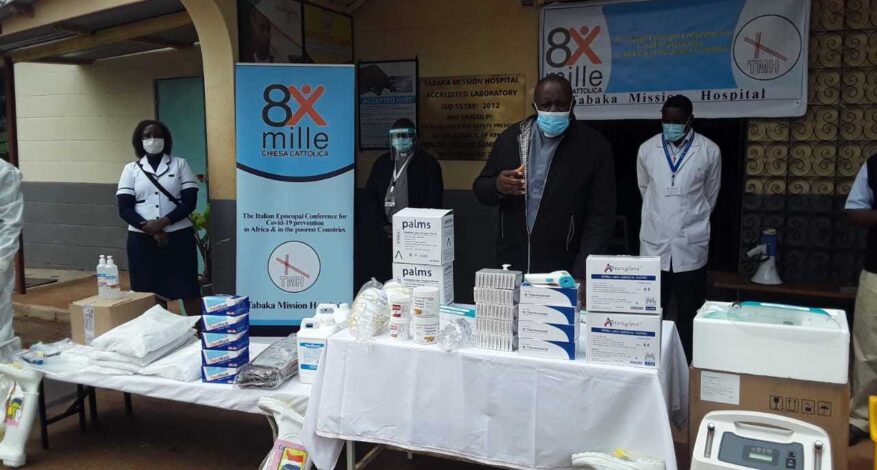
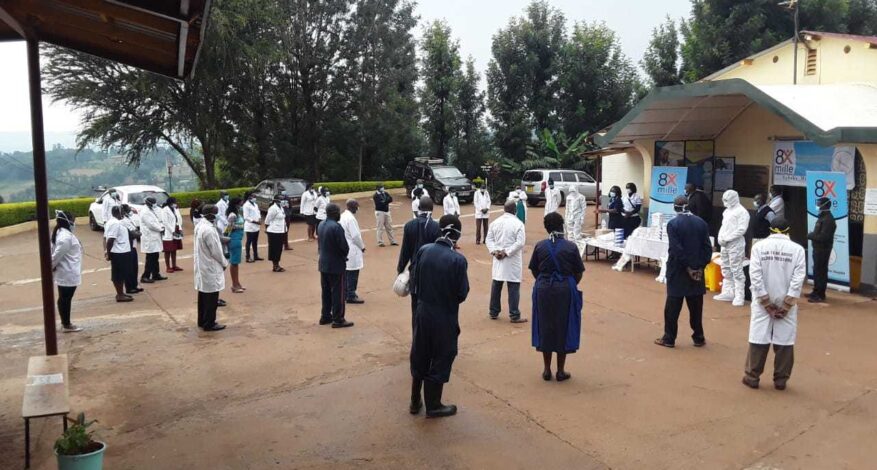
In the middle of the heat of the pandemic CADIS-KENYA in a quick and efficient way, initiated an emergency intervention which was big relief to the Camillian’s affiliated mission hospitals namely;

St Camillus Tabaka Mission Hospital, in Kisii County

St Camillius Hission hospital Karungu, Homabay County

St Camillius Health Centre Ndundu, Kiambu County

Notably with an already overwhelmed health system, the government gave little support to the mission hospitals on training of health staff on the management of the corona virus. Scarcity of protective gears and scanty information on the new virus drove these hospitals into a spirited anxiety. Clients too were hesitant to approach the center for treatment as it had demonstrated a high level of unpreparedness in handling the virus. Time was of essence to avert a health crisis in the facility

Fortunately, In the nick of time, CADIS Central office in Italy has made a proposal to the Italian Conference of Catholic Bishops for support. The proposal was approved and CADIS – KENYA was to implement the project. This was good news in the middle of uncertainty. This project that restored hope in fight agaist Covid-19 was launched on 8th July 2020. At Ndundu Mission health center, the staff were provided with sufficient scrubs to comfortably change into while attending patients to avoid contamination and infections.

The center also through CADIS – KENYA got equipped with a weight height scale machine. This solved the severe challenges of not capturing patients’ blood pressure, weight, height temperatures and Body Mass Index. While ensuring that there’s no transmission of infection from one patient to another Tabaka mission hospital was another beneficiary of this project through CADIS-KENYA. As a result of this project, the mission hospital ensured that all its frontline health workers were facilitated with proper training and knowledge on how to respond to the virus crisis.

They were also fully equipped with protective gear in relation to their work position, age and any underlying conditions. Consequently, Tabaka health Centre through the CEI and CADIS- KENYA project, managed to set up and maintain an isolation unit that was set and up to the required standards with enough therapeutic equipment, PPES, drugs, diagnostic equipment and oxygen concentrators St Camillius Mission Hospital Karungu received protective equipments and many other equipments. In conclusion, through this project, the heath facilities were able able to save lives, both of the frontline health care workers and the patients at the peak of Covid-19 pandemic.

Rev Fr Francis Maina, MI & Rev Fr Samuel Oleck, MI CADIS – KENYA TEAM

READ MORE
CADIS KENYA RELIEF PROGRAMS

Wajir Water Project

Project Background

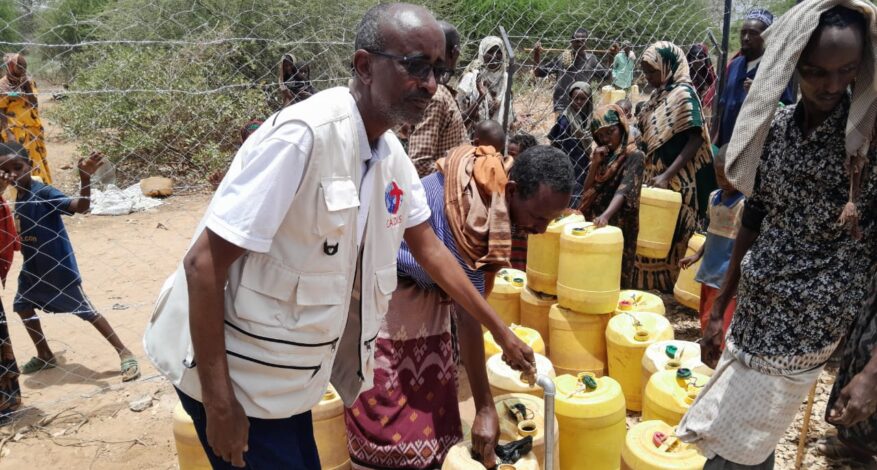
Wajir County in Northeastern Kenya is experiencing significant water barriers which include; long distance to water sources, most of which are contaminated, acute water rationing, and drying up of most water wells. Due to the drought, animals have died, starved or suffered from diseases. With Funding from Pro.sa, CADIS Kenya aimed at positively impacting supply ofclean water in Wajir East Sub-County. Some works in the project included: augmenting, renovating, and developing a community shallow well in Qahira ward and putting in place a slipper pump system that is solar operated and water storages and distributions for human and livestock access.

Objectives

The main objective is to increase the availability of water and ensure that the water being provided is clean, which will help the health of the community increase as a result.

Project Activities

Activities involved, well rehabilitation through cleaning and deepening, construction of water storage structure and livestock tank, installation of the solar pump and solar panel, and handing over the project to the community with training on how to maintain it.

Implementation and Community Engagement

Skillful design was maintained by community incorporation, especially involving local labor and a water committee. The capacity building activities involved awareness creation on ways of maintaining wells and operations of solar pumps among the targeted communities.

Conclusion

High clean water availability for more than 300 families in Wajir East was made possible through the project suggesting that sustainable provision of clean water through solar power enhanced the provision of sustainable water supply system.

READ MORE
CADIS KENYA RELIEF PROGRAMS

General food distribution to the households of Quarry Slums (Ongata Rongai) and Wajir (Qahera Location)

After the conclusion of general election in Kenya, the cost of living in Kenya had become unbearable with skyrocketing prices of commodities. The poor and vulnerable areas are the most affected. The impact is more felt in the slums, and most ASAL areas, Wajir County being on the lead. According to the Drought Early Warning Bulletin for Wajir County (August and September 2022), the livestock condition is deteriorating, migration to look for water for livestock has increased, and households with poor food consumption scores has increased. These are all indicators of the current drought experienced in Wajir County.

The government of Kenya has declared drought a national disaster in September 2022. WajirCounty is among the top 10 ASAL Counties affected by drought. According to the rainfall analysis, like several ASALs counties, Wajir County has received a below average rainfall. The harsh climate condition has contributed to the body weaknesses of the aged, children and the pregnant mothers.  

CADIS Kenya which is in collaboration with Missione Calcutta, conducted the food distribution project which targeted the poor households in Ongata Rongai (Quarry Slum) and Qahera village in Wajir East. The aim of this project is to alleviate the suffering of the poor and angry residences of the two places. The project assisted 150 families in Quary Slum and 400 households with food such as rice, beans, cooking oil. The targeted families were provided for food for one month.

CADIS Kenya incorporated a range of stakeholders to ensure inclusivity with the elderly, sick, and disable being the primary priority groups of beneficiaries. The project was implemented in partnership with local authorities, Camillian Fathers, Sisters and local churches. The community was fully involved from the first stage of the project to the end.

CADIS Kenya acknowledges and appreciate the donors, Missione Calcutta for believing and sharing our goal of alleviating suffering through responding to the critical and immediate needs for vulnerable people, fostering recovery and resilience in the face of adversity.

READ MORE
CADIS KENYA RELIEF PROGRAMS

MONITORING AND EVALUATION OF CADIS KENYA PROJECTS

A team from Camillian Disaster Service International in Rome visited Kenya in September 2023 for Monitoring and evaluation of the projects. The M&E visit conducted by Fr Aris Miranda, the Executive Director, Camillian Disaster Service International, was a successful one and the report indicated a milestone progress in the CADIS Kenya projects.

Goals and Objectives:

The objective was to monitor the project’s efficiency to inform decisions about the development, and to evaluate the other positive effects development initiative in Salabani area, BaringoCounty, and Wajir County, Kenya.

Process:

The monitoring activities included face-to-face focused group discussion and Interviews on 28 respondents from the community farming practice. This approach assisted in compiling information, which would otherwise be difficult to get, concerning the impact of the project.

Focus Group Discussions:

Two groups answered questions on the skills learned, difficulties encountered and impact on interpersonal relationships, respective of the project. The anticipated benefits outlined were; food security, school fees, cash, water, and engagement benefits. Difficulties were encountered, for example, failure in the water pump and breakages, the attack of termites and such like were contained with the help of the community.

Conclusions and Recommendations:

Most of the objectives that were set for the project were accomplished, and the remaining include a few follow-up workshops on climate smart agriculture. The major accomplishments highlighted includes fortification of neighborhood unity as well as accomplishment of social obligation to the outsiders. Some recommendations centered on the provision of a maintenance system for the material assets and the coming up with an improved system of water irrigation to avert future incidents.

READ MORE